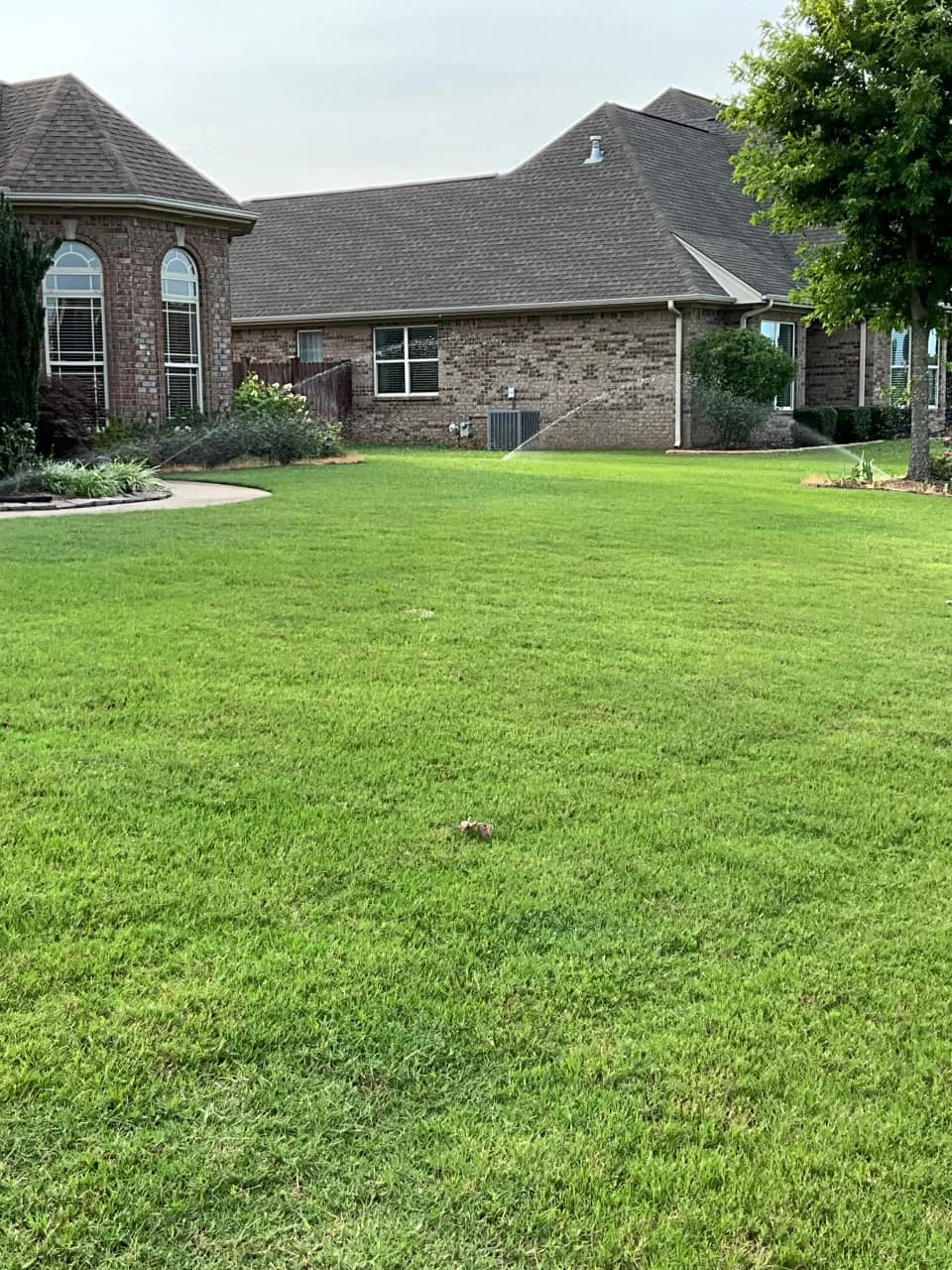
Follow the water
Describe where water first appears, how long it remains, and whether the problem happens after rain or irrigation. Photos taken during or after rain can help explain what you see.
 (256) 629-9568
Make soggy areas more usable with drainage planned around your yard. We assess standing water, slopes, and runoff to help protect your outdoor space.
5.0 · 115 Google reviewsServing your property from our Florence base. Availability confirmed for your address.
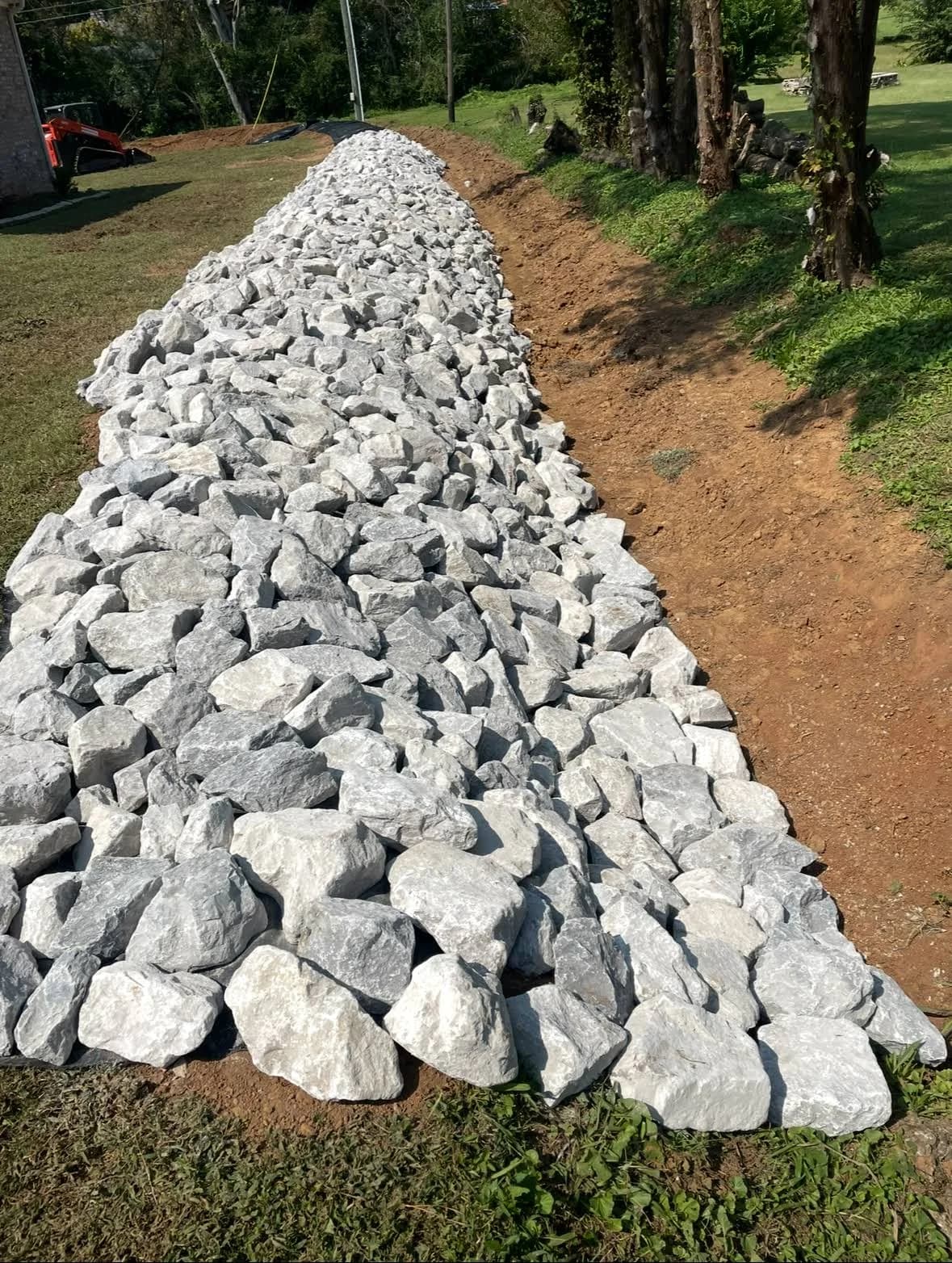
Standing water, washed-out soil, and persistently wet grass are symptoms. A useful drainage plan looks at the route water takes across your property and where it can go before choosing a particular drain or changing the grade.
Describe where water first appears, how long it remains, and whether the problem happens after rain or irrigation. Photos taken during or after rain can help explain what you see.
Depending on the site, the conversation may include French drains, channel drains, grading, or swales. The outlet, surrounding property, and existing landscape matter as much as the collection point.
Discuss excavation access, disturbed lawn or beds, and restoration as part of the scope. Knowing what is included makes it easier to plan any sod or mulch work afterward.
The source of the water, length and depth of work, outlet options, access, and surface restoration affect scope and price. A site assessment is needed before promising a particular solution.
Take photos when the problem is visible, note how long water remains, and mention downspouts, irrigation, recent construction, or changes uphill. Do not enter flooded or unsafe areas to collect photos.
Tell us about your project ↗“We were very pleased with the performance and quality of this company's work.”
No. The appropriate approach depends on how water reaches the area and where it can discharge. Drainage options should follow the assessment.
Yes. Tell us whether the area stays wet after rain, after sprinklers run, or throughout the week. That helps guide the initial conversation.
Drainage work may disturb existing grass or beds. Ask that restoration and any follow-on sod or mulch work be identified in the estimate.
Photos are helpful background, especially during rainfall, but slope, access, and outlet conditions may require an on-site review.
Tell us what you’d like to change. We’ll discuss the work, confirm coverage, and put together a plan for your property.
Grading, leveling, and preparation to get your property ready for its next chapter.
Turn bare ground into a lawn you can enjoy. We prepare the soil, lay fresh sod, and help you understand how to care for it as it takes root.
Create definition and make better use of sloped areas with a retaining wall planned for your landscape.